
- 15 January 2025
- {{ views_count }} Views
- {{comments_count}} Comments
- {{rating_percentage}} % Ratings percentage
This site supports the ability to read text through highlighting
Alwaha for Child Development Services

The Role of Physiotherapy in Dystonic Cerebral Palsy in Pediatrics
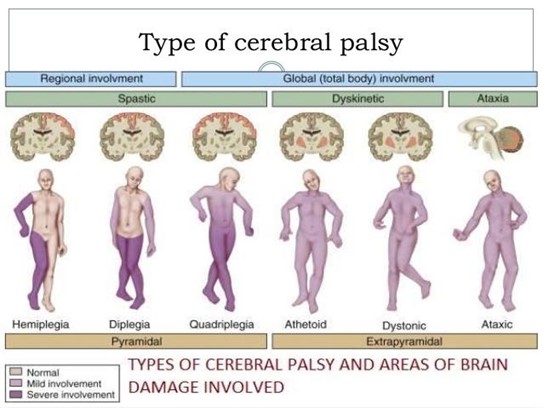
Dystonic cerebral palsy (CP) is a subtype of cerebral palsy characterized by involuntary muscle contractions that result in repetitive movements, abnormal postures, and fluctuating muscle tone. This condition profoundly affects motor control, mobility, and overall quality of life in pediatric patients. Physiotherapy plays a vital role in managing dystonic CP by improving functional abilities, reducing disability, and enhancing participation in daily activities. Below is an exploration of the critical role physiotherapy plays in the management of dystonic CP in children, along with evidence-based practices and approaches.
Understanding Dystonic Cerebral Palsy
Dystonic CP occurs due to damage or maldevelopment in specific brain areas, such as the basal ganglia, which regulate movement and muscle tone. The hallmark features of dystonic CP include:
The variability and unpredictability of dystonic movements can make it challenging for children to perform coordinated activities, resulting in difficulties with walking, grasping objects, and maintaining postural stability.
Goals of Physiotherapy in Dystonic CP
Physiotherapy aims to:
Key Physiotherapy Interventions
Physiotherapists use a combination of techniques and modalities tailored to the child’s specific needs and severity of dystonic CP. Below are the primary interventions used in clinical practice.
1. Neurodevelopmental Therapy (NDT)
NDT focuses on improving postural control and facilitating normal movement patterns. Therapists employ hands-on techniques to:
2. Stretching and Range of Motion (ROM) Exercises
Children with dystonic CP are prone to muscle stiffness and joint contractures. Physiotherapists use:
3. Strengthening Exercises
Although dystonia primarily affects muscle tone and coordination, muscle weakness is also common. Strengthening exercises, such as:
4. Postural Management
Dystonic CP often leads to poor posture, which impacts mobility and increases the risk of musculoskeletal complications. Physiotherapists focus on:
5. Task-Specific Training
This involves practicing functional activities, such as reaching, grasping, or walking, to improve the child’s ability to perform daily tasks.
6. Assistive Technology and Orthoses
7. Constraint-Induced Movement Therapy (CIMT)
CIMT is a targeted therapy for improving the use of the affected limb. By constraining the less-affected limb, the child is encouraged to use the dystonic limb in functional tasks.
8. Hydrotherapy
Water-based exercises reduce the impact of gravity, allowing smoother movement and relaxation of muscles. Hydrotherapy also enhances joint mobility and cardiovascular fitness.
9. Botulinum Toxin Injections and Physiotherapy
Botulinum toxin injections reduce dystonic activity in specific muscles. Physiotherapy is critical post-injection to maximize the functional gains by:
Evidence-Based Approaches
Challenges in Physiotherapy for Dystonic CP
Long-Term Impact of Physiotherapy
The benefits of physiotherapy in managing dystonic CP extend beyond physical improvements:
Summary
Physiotherapy is a cornerstone in the management of dystonic cerebral palsy in pediatric patients. Through a combination of evidence-based interventions, innovative technologies, and a family-centered approach, physiotherapists can significantly enhance functional abilities and quality of life for children with dystonic CP. Ongoing research and advancements in therapeutic modalities continue to expand the potential for improved outcomes in this population.
References
Comments({{ comments_count }})
{{ item.name }}
{{ item.created_at_format }}{{ item.message }}
Leave a Reply
Leave a Reply